






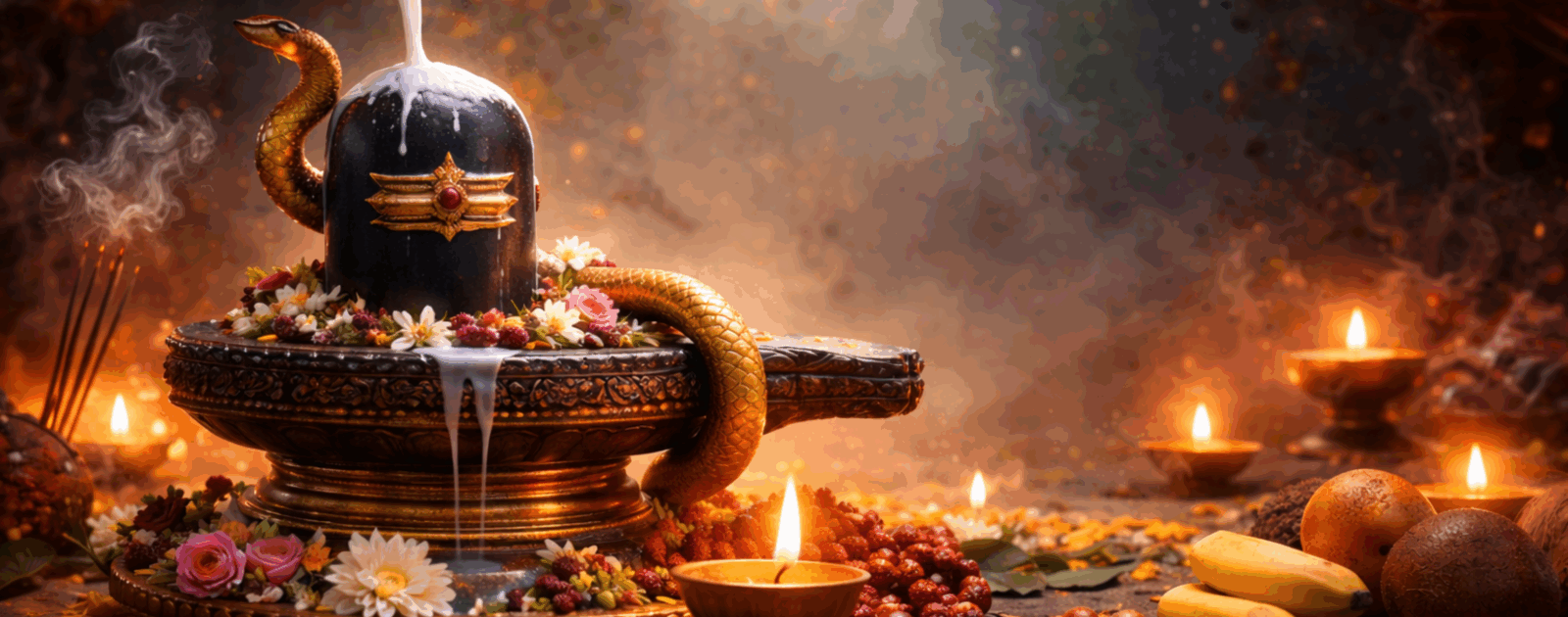
Mahashivratri is not just a sacred festival; it is a powerful spiritual pause. Among the many ways devotees observe this night, fasting for Mahashivratri holds a special place. It is not about hardship or denial, but about creating inner lightness so the mind and body can align with higher awareness. Understanding how to fast for Mahashivratri and doing it in a way that suits your life can make the experience deeply meaningful.
Many people ask whether fasting is compulsory, what the correct rules are, and how to observe the Mahashivratri fast properly. The truth is, Mahashivratri fasting is flexible. What matters most is sincerity and awareness, not strictness.
The practice of fasting for Mahashivratri is rooted in spiritual science. Mahashivratri falls on the Chaturdashi Tithi of Krishna Paksha in the month of Phalguna, a time when, according to yogic traditions, the body and mind naturally support stillness and alertness. Fasting reduces physical heaviness, calms digestion, and helps conserve energy, making meditation and night vigil easier.
Rather than being an act of sacrifice, Mahashivratri fasting is meant to help one feel lighter, clearer, and more inwardly focused. This is why even simple fasting, when done consciously, is considered spiritually beneficial.
How to Do Mahashivratri Fast the Right Way
If you are wondering how to do Mahashivratri fast, it begins with preparation. A day before Shivratri, it is advised to eat light, sattvic food and avoid alcohol, non-vegetarian meals, and excess spices. More importantly, take a moment to set a mental intention, or sankalp, for the fast. This intention gives direction and meaning to the practice.

On the day of Mahashivratri, devotees usually wake up early, bathe, and wear clean clothes. The fast is observed from sunrise until the next morning, after the night vigil and morning puja. Throughout the day and night, the emphasis remains on mindfulness, restraint, and inner awareness.
Mahashivratri Fasting Rules Explained Simply
Traditional Mahashivratri fasting rules are made to support the purity of body and mind. They are not meant to be rigid, but guiding principles that help maintain balance.
Devotees generally avoid grains, pulses, onions, garlic, processed foods, and regular salt. Cleanliness, calm behaviour, and mindful speech are also considered part of the fast. While these rules are widely followed, it is important to adapt them according to one’s health and capacity. Shiva is known as Bholenath, compassionate and simple, and sincerity always matters more than strict observance.
Types of Mahashivratri Fast You Can Observe
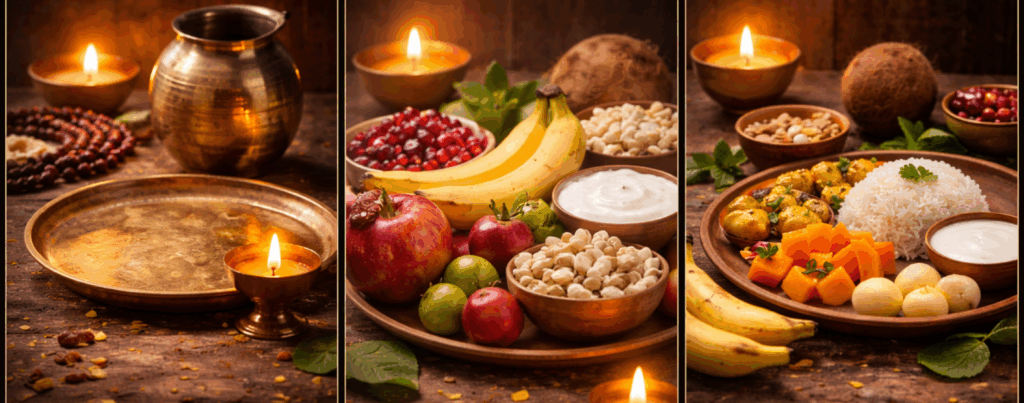
There is no single way to observe a Mahashivratri fast. Different people follow different forms depending on their physical strength and lifestyle.
Some devotees observe a Nirjala fast, where no food or water is consumed. This form is intense and usually followed by experienced practitioners. It is not recommended for beginners, elders, or those with health concerns.
The most common and balanced option is the Phalahar fast, where fruits, milk, coconut water, nuts, and light vrat-friendly foods are consumed. This keeps the body nourished while maintaining lightness.Others follow a partial fast, consuming one simple sattvic meal in the evening. This option is ideal for working professionals and those who cannot manage a full fast but still wish to observe Mahashivratri meaningfully.
What to Eat and Avoid During Mahashivratri Fast
During fasting for Mahashivratri, food is kept simple and natural. Fruits, milk, curd, coconut water, makhana, peanuts, and dishes prepared with sendha namak are commonly consumed. These foods provide energy without burdening the digestive system.
Grains such as rice and wheat, lentils, onion, garlic, packaged foods, and regular salt are avoided. Overeating vrat food is also discouraged, as fasting is about balance, not indulgence.
Mahashivratri Fasting Tips for Beginners
For those observing the fast for the first time, a few Mahashivratri fasting tips can make the experience smoother. Choose a fasting method that suits your health, stay hydrated unless you are observing a Nirjala fast, and avoid pushing your body beyond its comfort zone. Rest when needed and focus more on awareness than endurance.
It is important to remember that fasting is not a test of strength. Even a simple fast, observed with mindfulness, carries spiritual value.
Fasting and Night Vigil: How They Complement Each Other
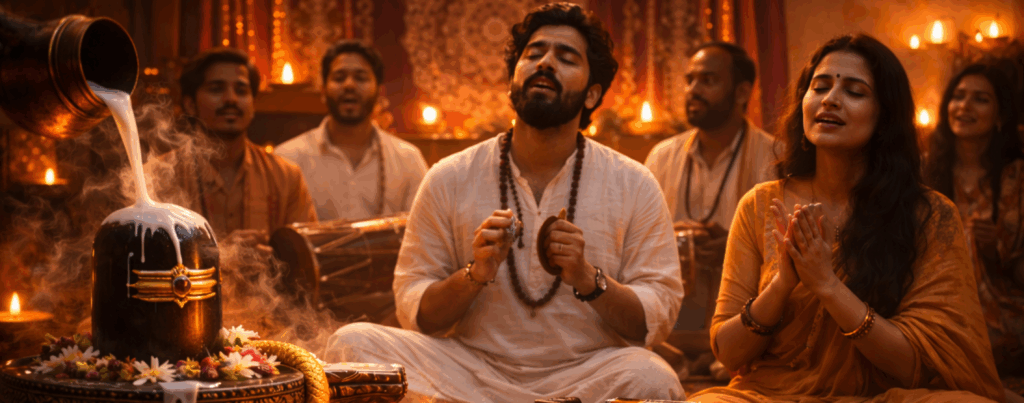
One of the defining features of Mahashivratri is staying awake through the night, known as Jagran. Fasting supports this practice by reducing sleepiness and keeping the body light. Together, fasting and night vigil help improve focus, meditation, and mental clarity.
If staying awake all night feels difficult, remaining awake until midnight or spending a few hours in mindful awareness is also considered beneficial.
Spiritual Benefits of Mahashivratri Fasting
When observed with the right intention, Mahashivratri fasting offers benefits that extend beyond the physical. Many devotees experience improved clarity of thought, emotional balance, and a sense of inner calm. The practice strengthens self-discipline and deepens one’s connection with Shiva consciousness.
The impact of the fast often lingers even after it ends, influencing how one thinks, reacts, and responds to life.
Who Should Modify or Avoid Strict Fasting
While Mahashivratri fasting is open to everyone, strict fasting should be modified or avoided by pregnant women, elderly individuals, people with medical conditions, or those on regular medication. In such cases, mental fasting, avoiding negativity, practising kindness, and staying mindful are equally meaningful.
Breaking the Mahashivratri Fast
The fast is traditionally broken the next morning after bath and puja. It is advised to start with light sattvic food and avoid heavy or oily meals immediately. Breaking the fast gently helps the body return to balance without discomfort.
Is Fasting on Mahashivratri Mandatory?
Fasting on Mahashivratri is not compulsory. What truly matters is awareness and devotion. Chanting mantras, meditating, staying mindful, or simply observing silence are all valid ways of honouring the night. Shiva does not seek perfection; he responds to sincerity.
RudraLife’s Maha Shivratri Puja: A Meaningful Way to Connect
RudraLife’s Maha Shivratri Puja offers a simple way to participate in this sacred night, especially for those unable to perform rituals themselves. Experienced Vedic pandits conduct the puja during the most auspicious Kaal, and a personal sankalp is taken in the devotee’s name.
Rooted in traditional scriptures, this puja is designed to help seekers align with the spiritual energy of Maha Shivratri with sincerity and ease.
Conclusion: The True Way to Observe Mahashivratri Fast
The essence of how to fast for Mahashivratri lies in intention, not intensity. Whether you observe a complete fast, a fruit-based fast, or a simple sattvic day, the purpose remains the same: to create space for awareness.
Mahashivratri reminds us that transformation often begins when we slow down.
Om Namaha Shivaye 🔱









Leave a comment