





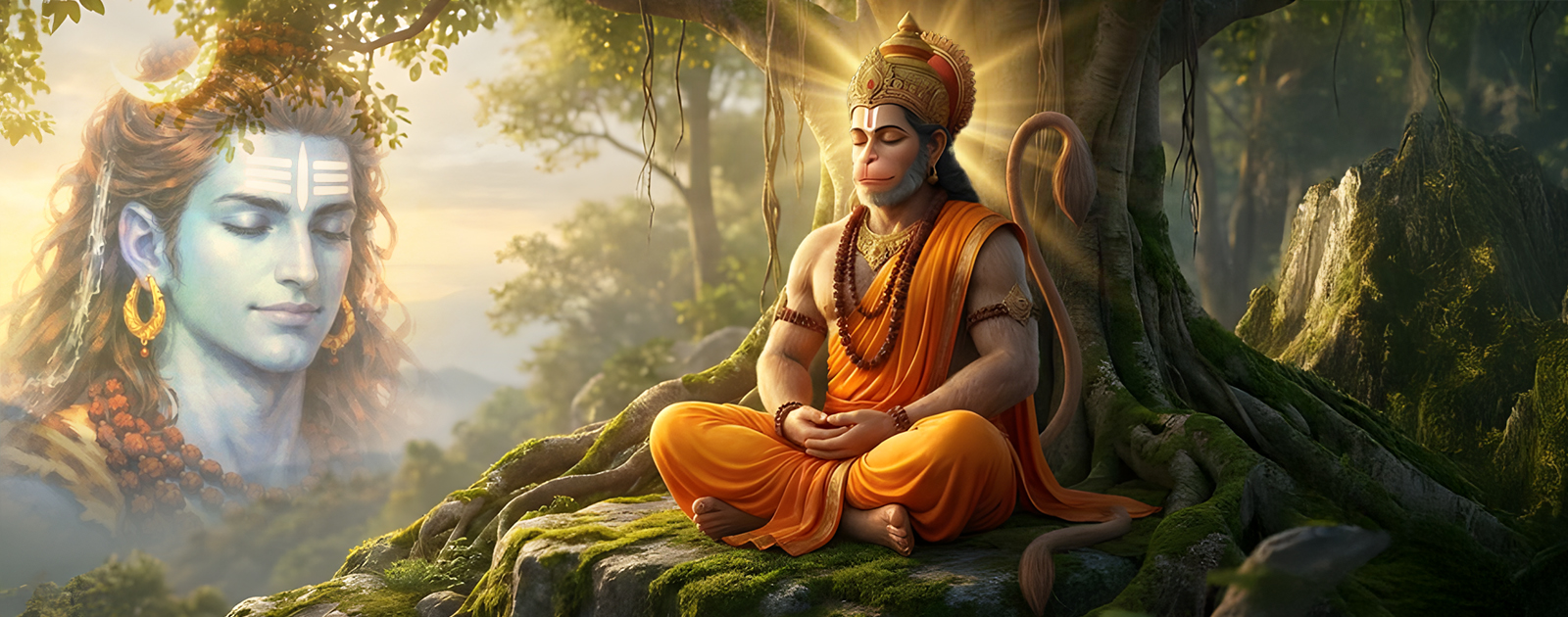
In Sanatan Dharma, rituals are not performed merely as traditions or religious customs. They are sacred spiritual processes designed to align human consciousness with cosmic energies.
One such powerful spiritual observance is the Shiv Mangal Hanuman Anushthan, a ritual that invokes the combined blessings of Lord Shiva and Lord Hanuman.
When this Anushthan takes place during Bhaum Pradosh, the spiritual significance becomes even more profound. The sacred timing aligns the energies of Lord Shiva (the supreme consciousness) with Lord Hanuman (the embodiment of devotion, strength, and protection) and the planetary influence of Mangal (Mars).
Through mantra chanting, Sankalp (spiritual intention), and sacred Vedic rituals, the Shiv Mangal Hanuman Anushthan is believed to create a powerful spiritual environment that helps devotees remove obstacles, strengthen courage, and restore emotional balance.
For centuries, devotees have turned to such rituals during uncertain times, seeking divine guidance, protection, and inner resilience.
The Shiv Mangal Hanuman Anushthan is a sacred Vedic ritual dedicated to Lord Shiva and Lord Hanuman, often performed on Bhaum Pradosh, the Pradosh that falls on a Tuesday.
This Anushthan combines:
- Shiva worship for purification and transformation
- Hanuman worship for strength and protection
- Planetary balancing of Mangal (Mars)
Devotees believe that performing this ritual with sincere devotion helps remove obstacles, reduce fear, and strengthen spiritual stability.
Because the ritual invokes both Shiva consciousness and Hanuman’s fearless devotion, it represents a powerful union of inner wisdom and courageous action.
What is Bhaum Pradosh?
Pradosh is a sacred period dedicated to Lord Shiva that occurs during the Trayodashi Tithi (13th lunar day) of every fortnight.
The time just before sunset during Pradosh is known as Pradosh Kaal, considered one of the most auspicious periods for Shiva worship.
When Pradosh falls on a Tuesday, it is called Bhaum Pradosh.
The word Bhaum is connected with Mangal Graha (Mars) in Vedic astrology. Mars represents energy, determination, courage, and action.
Tuesday is also traditionally associated with Lord Hanuman, making Bhaum Pradosh a rare spiritual alignment where the energies of Shiva, Hanuman, and Mars come together.
Because of this alignment, many devotees perform Shiv Mangal Hanuman Anushthan on Bhaum Pradosh to:
- Remove obstacles and negative influences
- Strengthen courage and determination
- Overcome fear and uncertainty
- Restore emotional and spiritual balance
Date, Muhurat & Puja Details for Shiv Mangal Hanuman Anushthan 2026
The spiritual effectiveness of any Vedic ritual depends greatly on Muhurat, the auspicious alignment of cosmic energies.
The Shiv Mangal Hanuman Anushthan on Bhaum Pradosh 2026 will be performed with the following details:
Date: 10 March 2026 (Tuesday)
Occasion: Bhaum Pradosh
Muhurat: Amrit Muhurat
Time: 1:10 PM IST
Duration: Approximately 3–4 hours
Vedic Priests: 7 experienced Vedic pandits
Planetary Influence: Shani (Saturn) and Mangal (Mars)
The presence of Saturn and Mars energies makes this Anushthan particularly significant for individuals seeking stability, protection, strength, and removal of obstacles.
When such rituals are performed during carefully calculated Muhurat with proper Vedic procedures, devotees believe the spiritual vibrations generated become especially powerful.
Mythological Significance of Shiva and Hanuman Together
The spiritual connection between Lord Shiva and Lord Hanuman is deeply rooted in Hindu scriptures.
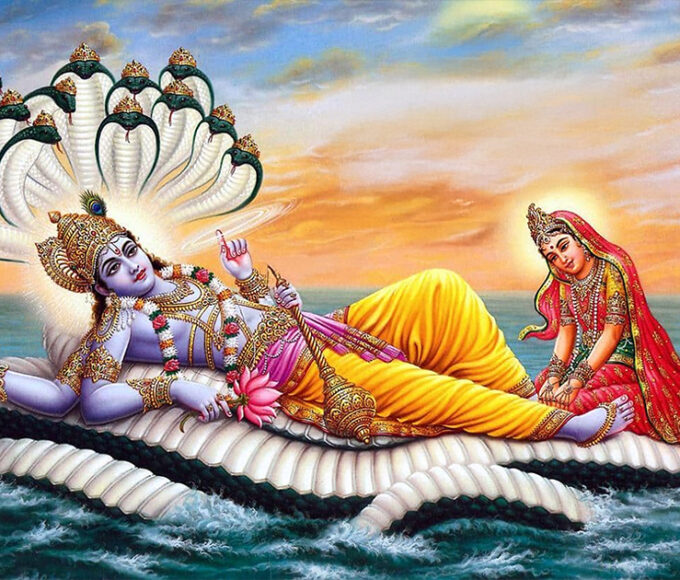
Many traditions describe Hanuman as a Rudra Avatar of Lord Shiva, born to assist Lord Rama in restoring Dharma.
While Lord Shiva represents cosmic consciousness, stillness, and transformation, Lord Hanuman represents devotion, strength, and fearless action.
Together, they symbolize the balance between:
- Wisdom and action
- Meditation and service
- Inner awareness and outer courage
Because of this sacred relationship, the combined worship of Shiva and Hanuman during Shiv Mangal Hanuman Anushthan is believed to generate powerful spiritual protection.
Lord Hanuman has always been revered as a protector who removes fear and shields devotees from obstacles.
Therefore, when tensions arise in different parts of the world, including situations affecting regions like the UAE, many people experience uncertainty, emotional stress, and a sense of instability in daily life.
In such moments, spiritual traditions remind us of something simple yet powerful: when the mind feels disturbed by circumstances beyond our control, turning towards faith, prayer, and inner discipline can restore balance.
Vedic Rituals Performed During the Anushthan
The Shiv Mangal Hanuman Anushthan is performed according to traditional Vedic procedures by trained priests.
Shanti Paath
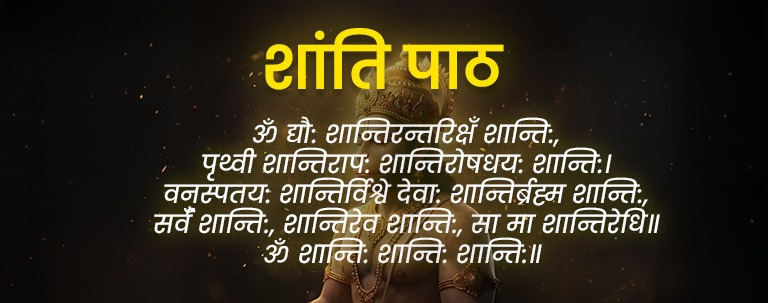
The ceremony begins with Shanti Paath, invoking peace and spiritual harmony.
Devotees observing the ritual at home may chant the traditional Shanti Paath mantra.
This mantra invokes peace across nature, the universe, and the human mind, helping reduce disturbances and restore harmony.
Sankalp
The priest takes Sankalp, declaring the intention of the ritual and including the names of devotees participating in the puja.
Bilwarchanam
Sacred Bilva leaves are offered to Lord Shiva while chanting Vedic mantras. The Bilva leaf represents the three divine aspects of creation.
Hanuman Chalisa Recitation
Devotees chant the Hanuman Chalisa, invoking Hanuman’s blessings for strength, courage, and protection.
Sankat Mochak Hanuman Ashtak Paath
The Sankat Mochak Hanuman Ashtak is recited to remove difficulties and obstacles from the lives of devotees.
How Devotees Can Observe Bhaum Pradosh at Home
While the Shiv Mangal Hanuman Anushthan is performed by Vedic priests, devotees can also observe Bhaum Pradosh at home in simple ways.
In Sanatan Dharma, devotion (Bhakti) and faith (Shraddha) are considered more important than the complexity of rituals.
Chant Hanuman Chalisa
Reciting the Hanuman Chalisa 11 or 21 times on Bhaum Pradosh is believed to create spiritual protection and strengthen courage.
Recite “Om Namah Shivaya”
The sacred Panchakshari mantra Om Namah Shivaya represents the five elements of nature.
Even a few minutes of chanting during Pradosh Kaal can bring deep inner calm.
Perform Shiva Abhishek
Devotees can offer water or milk to a Shiva Lingam, symbolizing the surrender of worries and ego.
Light a Diya Before Hanuman
Lighting a lamp before Lord Hanuman symbolizes the removal of darkness and the awakening of divine strength.
Read the Ramayana or Sundar Kand
Reading or listening to Sundar Kand is considered especially auspicious for invoking Hanuman’s blessings.
Role of Rudraksha in Shiv–Hanuman Worship
Rudraksha beads hold a sacred place in the spiritual traditions of Sanatan Dharma and are closely associated with Lord Shiva.
The word Rudraksha comes from:
- Rudra – another name for Lord Shiva
- Aksha – meaning tears
According to the Shiva Purana, Rudraksha beads originated from the compassionate tears of Lord Shiva.
Many devotees wear Rudraksha while performing Shiv Mangal Hanuman Anushthan because the beads help:
- calm the mind during prayer or meditation
- improve concentration during mantra chanting
- stabilize emotional disturbances
- support spiritual discipline and inner awareness
Certain Rudraksha beads are particularly associated with planetary energies.
For example:
- 3 Mukhi Rudraksha is often associated with Mars energy and vitality
- 11 Mukhi Rudraksha is connected with Hanuman’s strength and protection
Spiritual Benefits of Shiv Mangal Hanuman Anushthan
Devotees participate in Shiv Mangal Hanuman Anushthan on Bhaum Pradosh seeking spiritual growth and divine guidance.
Some of the commonly believed benefits include:
• Removal of obstacles and delays in life
• Strengthening courage and emotional stability
• Protection from fear and negativity
• Greater clarity in decision-making
• Increased devotion and spiritual awareness
• Inner calm during stressful or uncertain situations
In Rudralife’s recent podcast, “This is why 2026 will feel different for everyone – The Year of Surya,” we explored how cosmic shifts may influence clarity, transformation, and personal direction.
During such times, practices like mantra chanting, Rudraksha meditation, and sacred rituals can help individuals remain grounded and spiritually centered.
Conclusion
The Shiv Mangal Hanuman Anushthan on Bhaum Pradosh offers devotees a sacred opportunity to connect with the divine energies of Lord Shiva and Lord Hanuman.
Lord Shiva represents stillness, transformation, and higher consciousness.
Lord Hanuman represents devotion, courage, and fearless service.
Together, their blessings guide devotees toward strength, clarity, and spiritual protection.
For many seekers walking the spiritual path, participating in such rituals becomes a meaningful way to reconnect with the timeless wisdom of Sanatan Dharma.
FAQs
1. What is Shiv Mangal Hanuman Anushthan?
Shiv Mangal Hanuman Anushthan is a sacred Vedic ritual dedicated to Lord Shiva and Lord Hanuman, often performed on Bhaum Pradosh to remove obstacles, strengthen courage, and seek divine protection.
2. When will the Anushthan be performed in 2026?
The Anushthan will be performed on 10 March 2026 during Bhaum Pradosh at 1:10 PM IST during the auspicious Amrit Muhurat.
3. How long does the puja last?
The complete Vedic ceremony typically lasts 3 to 4 hours.
4. How many priests perform the ritual?
The ritual is performed by seven experienced Vedic pandits trained in traditional mantra chanting and Vedic procedures.
5. Can devotees participate remotely?
Yes. Devotees can participate by offering their name and Sankalp, allowing the priests to include them in the prayers during the ritual.






Leave a comment