





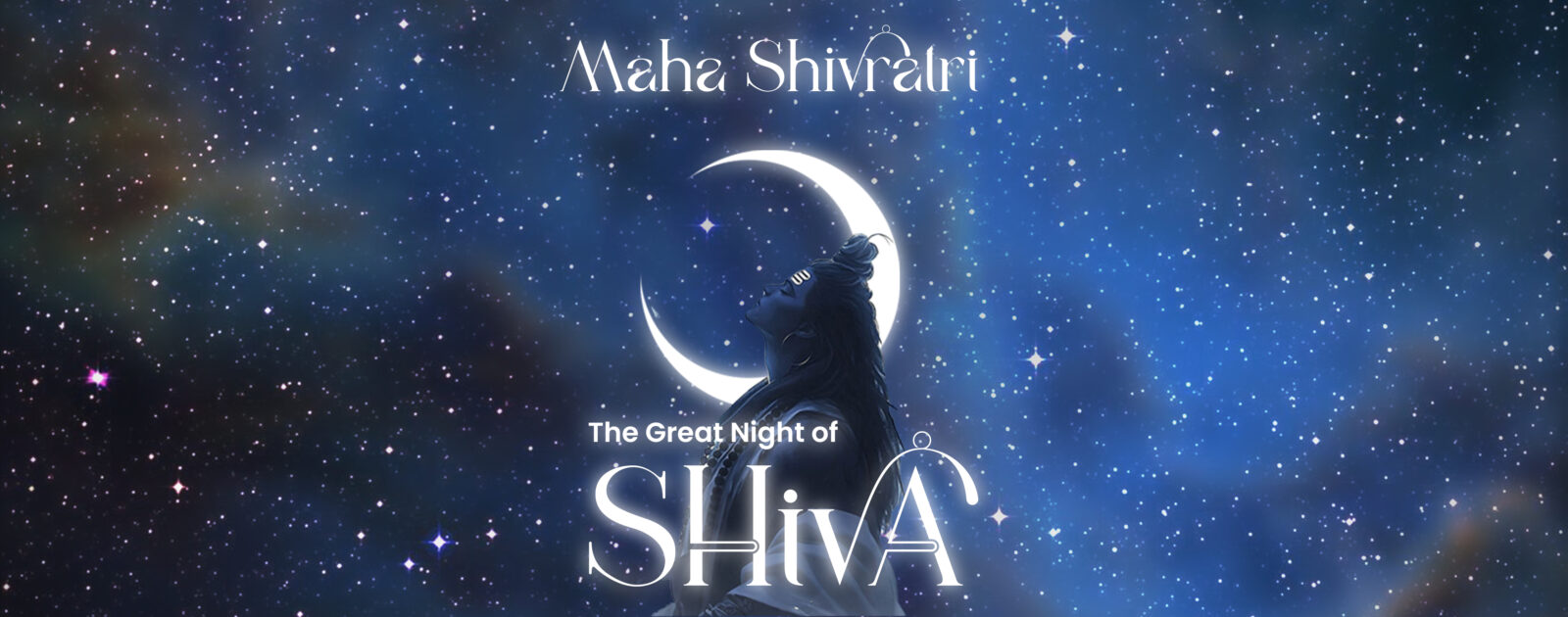
Maha Shivratri is not a festival in the usual sense. It is not about celebration, noise, or outward joy. It is a pause in time, a sacred night when the universe subtly nudges human consciousness inward. At RudraLife, we see Maha Shivratri as an opportunity to realign with the very source of creation: Lord Shiva, the embodiment of stillness, awareness, and infinite potential. In today’s restless world, Maha Shivratri offers something rare and deeply needed: the opportunity to slow down without escaping life, and to experience stillness without withdrawal.
In 2026, Maha Shivratri invites seekers, householders, and spiritual aspirants alike to experience a night of heightened energy, reflection, and inner balance.
- Date: Sunday, 15 February 2026
- Tithi: Chaturdashi Tithi of Krishna Paksha
- Month: Phalguna (as per the Hindu lunar calendar)
This specific lunar alignment is not symbolic alone. According to yogic sciences, the planetary positions on this night naturally support the upward movement of energy, making spiritual practices more effective, even for beginners.
In 2026, Maha Shivratri will be observed on Sunday, 15 February 2026, during the Krishna Paksha Chaturdashi Tithi of the Hindu month of Phalguna. This specific lunar phase is not chosen symbolically alone. Yogic sciences explain that during this time, the position of the moon and the earth creates a natural surge of energy that supports the upward movement of prana within the human system. This alignment makes spiritual practices such as meditation, mantra chanting, and silent awareness significantly more impactful, even for those who do not follow a regular spiritual discipline.
This is why Maha Shivratri is traditionally observed at night. The darkness is not seen as negative, but as fertile ground where awareness can deepen without distraction.
Why Maha Shivratri Is Observed Through the Night
Maha Shivratri is one of the few Hindu observances that emphasizes jagran, or remaining awake throughout the night. This practice is rooted in subtle science rather than ritual alone. On this night, nature itself supports alertness and inward focus. When the spine is kept erect, whether sitting in meditation or remaining mindful, the body becomes more receptive to these heightened energies.
Staying awake on Maha Shivratri is not about resisting sleep through effort. It is about aligning with the rhythm of the cosmos. Many devotees report unusual clarity, calmness, and awareness during the night, even without physical rest. The night gently encourages the seeker to turn inward and observe the mind rather than be ruled by it.
The Many Sacred Stories of Maha Shivratri
Across ancient scriptures and oral traditions, Maha Shivratri is described through multiple sacred narratives, each revealing a deeper spiritual truth.
One widely revered belief is that this is the night when Shiva entered absolute stillness on Mount Kailash. In this state of complete meditation, Shiva transcended identity, action, and desire, becoming pure awareness itself. This is why he is known as the Adi Yogi, the first teacher of yoga, from whom all yogic sciences originated.
Another tradition celebrates Maha Shivratri as the divine union of Shiva and Parvati. This sacred marriage symbolizes the perfect balance between consciousness and energy, renunciation and responsibility, stillness and movement. For householders, this story carries a powerful message that spiritual growth and worldly life are not opposing paths, but complementary ones.There is also the legend of Neelkanth, when Shiva consumed the deadly poison that emerged during the Samudra Manthan to protect all of creation. By holding the poison in his throat, he demonstrated supreme restraint, sacrifice, and compassion. Maha Shivratri honors this quality of bearing life’s intensity without letting it poison one’s consciousness.
The Deeper Meaning of the Shiva Lingam
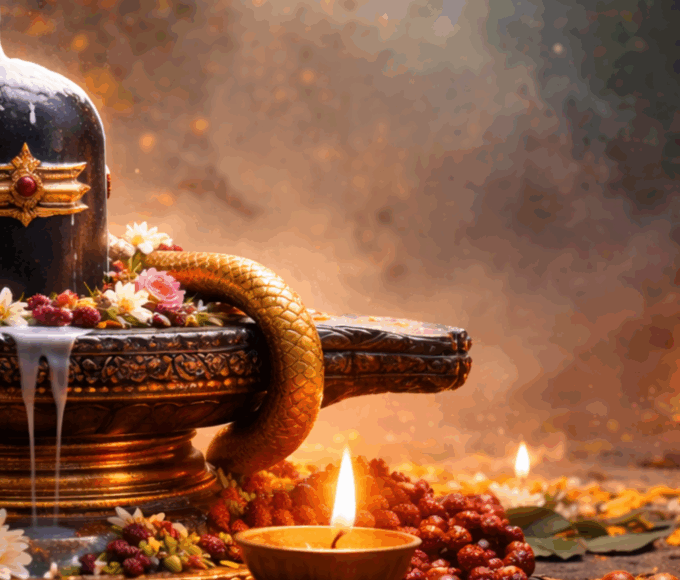
The Shiva Lingam is often misunderstood as an idol, but in truth, it is a symbolic representation of the infinite. With no beginning and no end, it signifies pure consciousness beyond form, name, and limitation. On Maha Shivratri, devotees perform abhishekam on the Shiva Lingam using water, milk, honey, and bilva leaves. Each offering represents an inner intention: purification, balance, sweetness of thought, and harmony of mind, body, and soul.
This external ritual mirrors an inner process: the cleansing of accumulated patterns, emotional weight, and ego-driven tendencies that block awareness.
Maha Shivratri Vrat: Creating Lightness Within
Fasting on Maha Shivratri is not an act of punishment or denial. It is a conscious way of creating lightness within the system. When digestion is minimized, the body conserves energy, allowing the mind to remain alert and steady. Whether one observes a complete fast, consumes fruits, or follows a simple sattvic diet, the intention remains the same: to support awareness and inner balance.
Even observing the vrat with sincerity and mindfulness, without rigidity, is considered spiritually beneficial.
Sacred Mantras to Chant on Maha Shivratri
Mantra chanting on Maha Shivratri is believed to create deep vibrational alignment with Shiva consciousness. Among the most powerful mantras chanted on this night is the Maha Mrityunjaya Mantra, known for its healing and protective qualities. The Panchakshari Mantra, Om Namah Shivaya, is equally powerful, gently dissolving mental noise and purifying awareness. Chanting these mantras, even for a short duration, is said to leave a lasting imprint on the seeker’s consciousness.
The stillness of the night amplifies the effect of sound, allowing mantras to work beyond the intellectual level.
Rudraksha and Maha Shivratri: A Natural Resonance

Rudraksha holds a unique place in the observance of Maha Shivratri. Traditionally associated with Shiva, Rudraksha is believed to carry vibrations that support stability, focus, and spiritual growth. Maha Shivratri is considered one of the most auspicious nights to begin wearing Rudraksha, energize existing beads, or set personal sankalpas for clarity, protection, or transformation.
At RudraLife, Rudraksha is seen not as an accessory, but as a spiritual tool that supports the wearer’s inner journey when chosen and worn with awareness.
Maha Shivratri in the Modern World
In a time dominated by constant stimulation, deadlines, and mental overload, Maha Shivratri serves as a reminder that true transformation does not always require action. Sometimes, it requires awareness. This night gently teaches us to observe rather than react, to remain still rather than restless, and to experience silence not as emptiness, but as fullness.
Maha Shivratri 2026 is not about doing more. It is about being more.
A Night That Leaves a Lasting Impression
Maha Shivratri is not confined to one night alone. Its impact unfolds gradually, influencing the way one thinks, responds, and relates to life. Maha Shivratri 2026 is an invitation.
To sit with yourself.
To rise above habitual patterns.
To touch the dimension of Shiva within.
Whether you meditate, chant, observe a vrat, or simply stay awake with awareness, this night meets you where you are.
Because Shiva is not someone you worship from afar.
Shiva is a state you slowly remember.
Har Har Mahadev.




Leave a comment